
Collections and collectables in family law property settlements
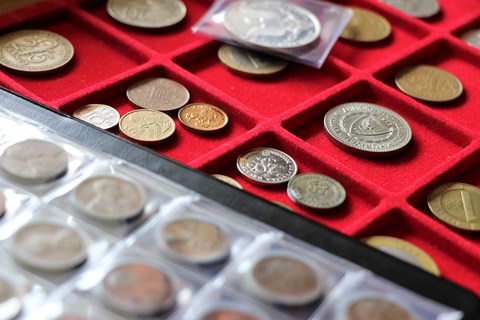
When couples separate, dividing property can be one of the most complex aspects of the process. Most people think about assets such as the family home, bank accounts, vehicles and superannuation. However, another category of property can often raise unexpected issues during property settlements: collections and collectables.
Items such as rare coins, trading cards, artwork, vintage wine or classic cars may start as hobbies or personal interests, but over time they can accumulate significant financial value. When that happens, they may form part of the asset pool and be considered in a property settlement.
What counts as a collection or collectable?
A collection usually refers to a group of items that have been accumulated over time because of personal interest, passion or investment value. This can look different to everyone and to the type of item being collected.
Common examples include:
- rare coins or stamp collections
- trading cards or comic books
- art or antique furniture
- vintage wines or whisky
- vinyl records or musical instruments
- sports memorabilia or sneakers
- luxury watches or designer handbags
- classic cars or motorcycles
Some collections may only have sentimental value to the person who built them. Others may have a financial value and be worth a significant sum.
Are collections considered property in a family law settlement?
Under the Family Law Act, the definition of property is broad and can include almost any asset with financial value. This means that collections and collectables can form part of the property pool in family law proceedings. An asset does not have to be in joint names to be an asset of the relationship.
When determining a property settlement, the court will usually consider all assets owned by either party. If a collection has financial value, it may be included in the overall pool of property.
It is also relevant when the collection was acquired and what contributions, if any, were made by each party as to whether the collection will be considered for family law purposes to be an asset included in the asset pool available for division between the parties.
Disclosure obligations
In proceedings before the Federal Circuit and Family Court of Australia, both parties must provide full and frank disclosure of their financial circumstances. This obligation includes disclosing valuable collections.
Disclosure may involve providing:
- descriptions of the items
- photographs or inventories
- purchase records/receipts
- insurance documentation
- valuation reports
Failing to disclose assets can have serious consequences and may affect the outcome of the matter.
How are collectables valued in a property settlement?
Valuing collections can be more complicated than valuing other assets because market prices are not always clear.
The value of collectables may depend on factors such as:
- rarity
- condition
- authenticity
- provenance (history of ownership)
- current market demand
If the parties cannot agree on a value, the court may require an independent expert valuation. In some cases, the entire collection may be valued as a single asset, while in others individual items may need to be assessed separately.
Which approach is most appropriate will differ depending on the kind of item and collection that needs to be valued. When deciding on what valuer and what kind of valuation would be most appropriate, parties should take care to consider the costs associated with obtaining these valuations. For example, if the cost to value the collection is likely to outweigh the anticipated value, it may not be a worthwhile endeavour for parties to embark on.
If your ex-partner has a collection, it’s important to undertake your own research and due diligence where possible to ascertain what you think an approximate value of the items are, and whether it is cost-effective to seek a formal valuation. It may be that during the relationship, a party would speak about how much their collection was worth, however such assertions were inflated or are now outdated.
If parties do want to proceed with valuing a collection, it is important that an experienced valuer with specific knowledge about the kind of collectable is appointed, so that they can provide the best possible evidence.
Does the person who built the collection keep it?
Not necessarily.
When determining property settlements, the court generally looks at the overall property pool, rather than individual assets in isolation, however this is not the guaranteed approach and it is best to obtain specific advice about your particular circumstances.
If a party owns a collection of items, either registered to them or physically held in their possession, the pragmatic approach usually taken would be for the collector to retain their collection (assuming that a just and equitable property settlement could be reached on this basis). If both parties contributed to accumulating the collection, it would be a matter for the parties to either agree who would retain the collection, whether they sell it, whether they split the collection (noting that this may affect the overall value of same) and how they would split it, or, if they cannot agree, the Court would need to make a decision on behalf of the parties.
If a just and equitable outcome could not be reached by the collector retaining their collection, for example, if this would require an adjustment elsewhere in the property settlement that cannot realistically be achieved with the remainder of the parties’ assets, then it may be that the collection needs to be split and/or sold.
Can a collection be divided in a property settlement?
Dividing a collection can sometimes be impractical. Breaking up a complete set of items may reduce its overall value.
For this reason, property settlements often involve practical solutions such as:
- one party keeping the collection while the other receives another asset
- adjusting the financial division of the property pool
- selling the collection and dividing the proceeds
What about sentimental value?
Collections are often deeply personal. They may represent years of dedication, personal identity or shared memories. However, when dealing with property, the Court is generally more concerned with actual financial value rather than sentimental attachment when determining property settlements.
In practice, sentimental value is more likely to influence negotiations between the parties rather than the Court’s decision.
Key takeaways for couples during separation
Collections and collectables can easily be overlooked in property settlement discussions. However, where they hold significant financial value, they may form part of the property pool and need to be properly disclosed and valued.
In many cases, the most practical outcome is for one party to retain the collection while the other receives an adjustment elsewhere in the property settlement. This approach can preserve the integrity of the collection while still achieving a fair division of assets. However, what is practical or achievable is likely to differ significantly between matters. It’s important that you obtain specific legal advice about your particular circumstances to ensure you can make an informed decision about how to progress and resolve your matter.
How we can help
Whether you are a party to a family law proceeding, going through separation or contemplating separation, it is important to seek legal advice about your individual circumstances and to determine the best way forward. Contact us and speak with one of our experienced family lawyers.
Contacting Smith Family Law
This article is of a general nature and should not be relied upon as legal advice. If you require further information, advice or assistance for your specific circumstances, please contact Smith Family Law.